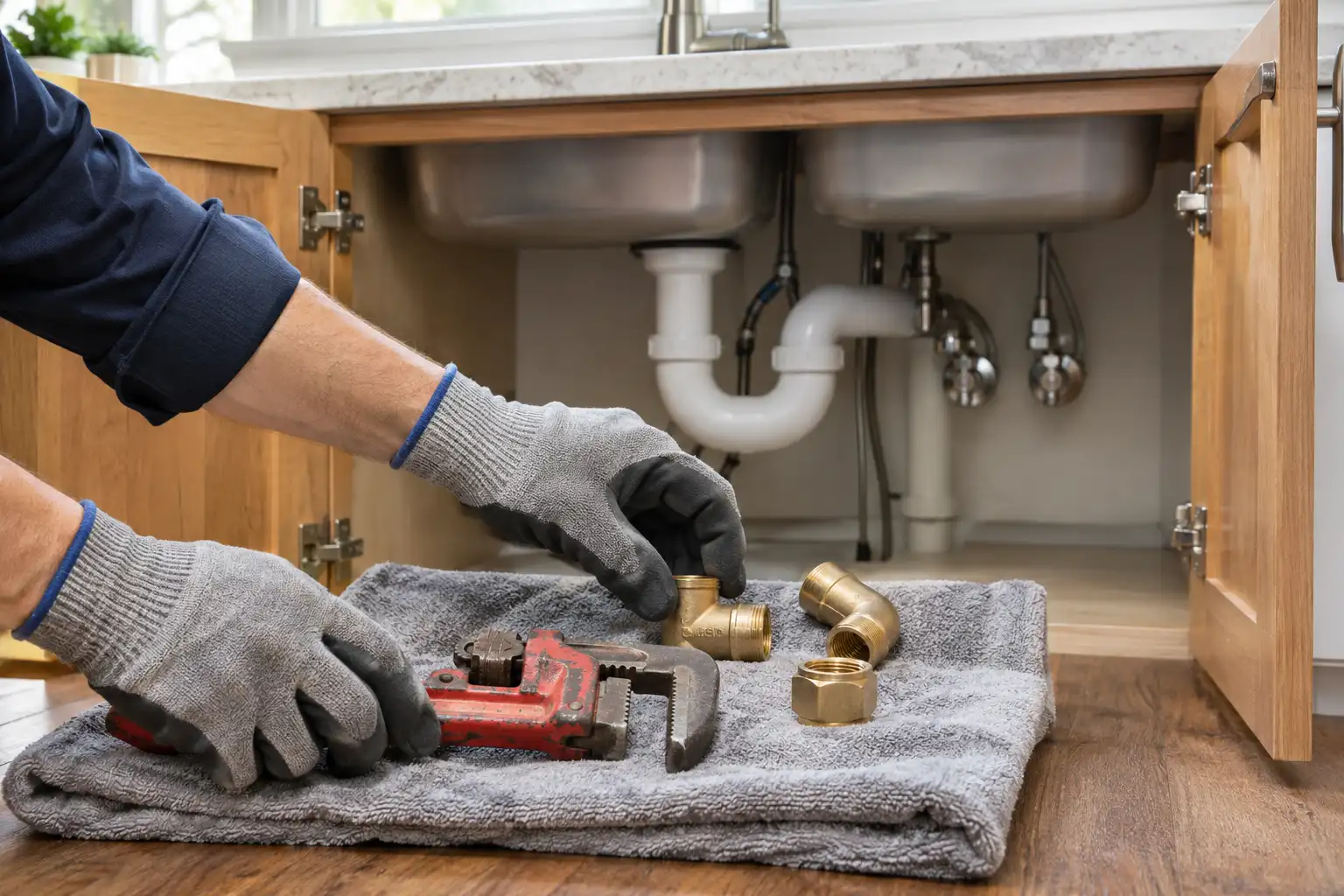
Plumbing Repair in Twin Falls, ID
Eight common plumbing repairs, grouped by the problem you see, so you can find the right page and know what a plumber will look at.
Plumbing repair in Twin Falls, sorted by what you notice
Homeowners rarely know the name of the part that failed. They know the shower ran cold, the ceiling turned brown or the tap gave nothing this morning, so every plumbing repair on this page sits under the problem it solves.
- Start with what you noticeA stain, a cold shower or a slow drain.
- Find the matching groupFour groups cover the problems we hear about most.
- Open the repair pageIt explains the usual causes and the next step.
Every plumbing repair, grouped by problem
Four groups cover the calls we hear about most. Each repair page lists the warning signs, the likely causes and the steps you can take before a plumber arrives.
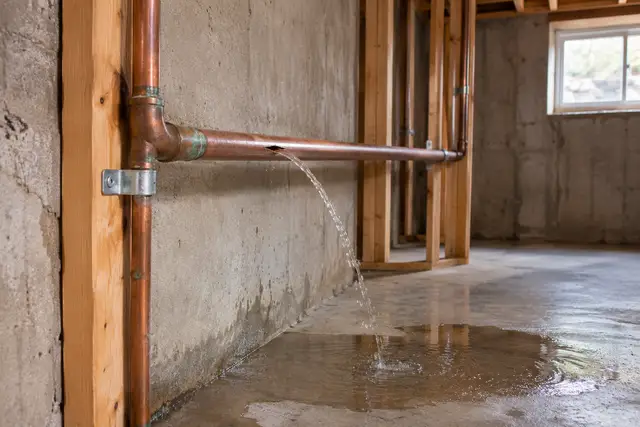
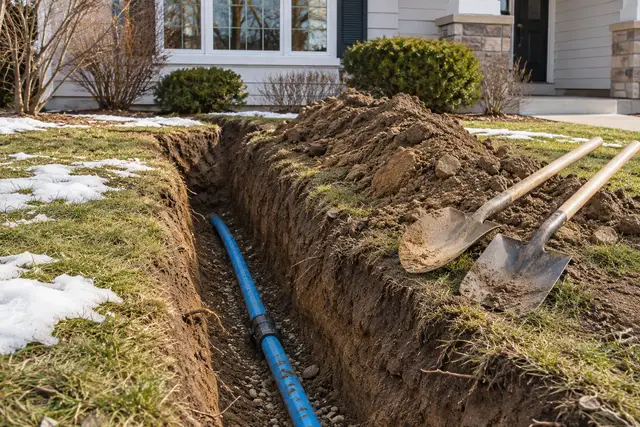
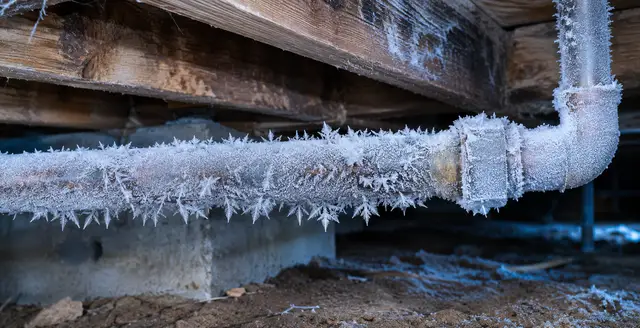
Cold snaps and split pipes
Pipes that split, freeze or leak between the street and the house.
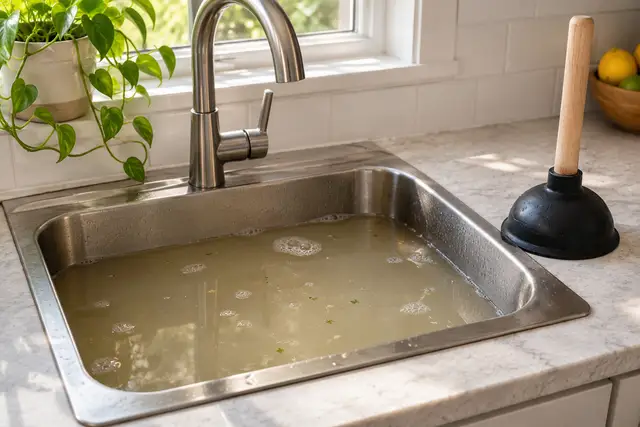
Slow or stopped drains
Sinks, tubs and showers that hold water instead of letting it go.
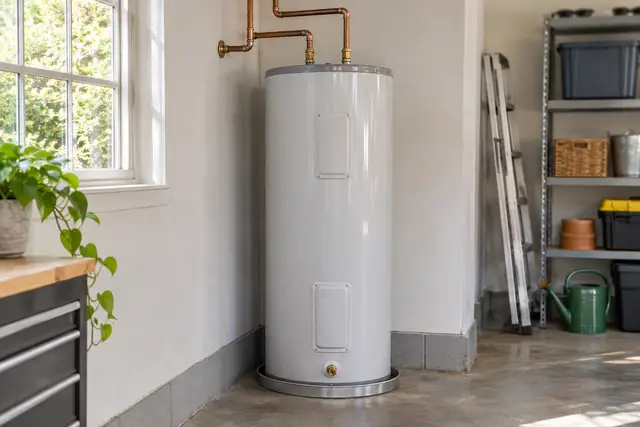
Hot water
Tanks that run cold, rumble or leave a puddle on the floor.
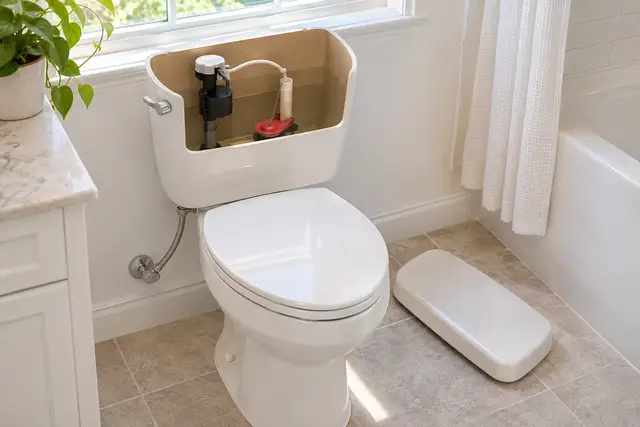
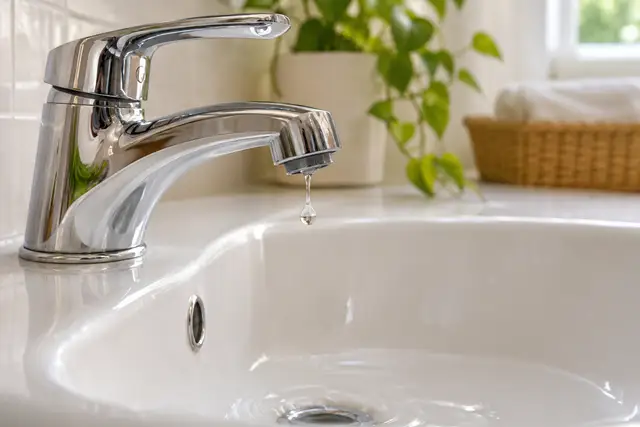
Leaks, tanks and taps
Hidden water, running tanks and taps that never quite shut off.
Which repairs need a plumber today
Some problems can wait for a convenient time. Others cause more damage with every hour, and the difference is usually how much water is moving.
Call right away
- Water spraying from a split pipe or a fitting
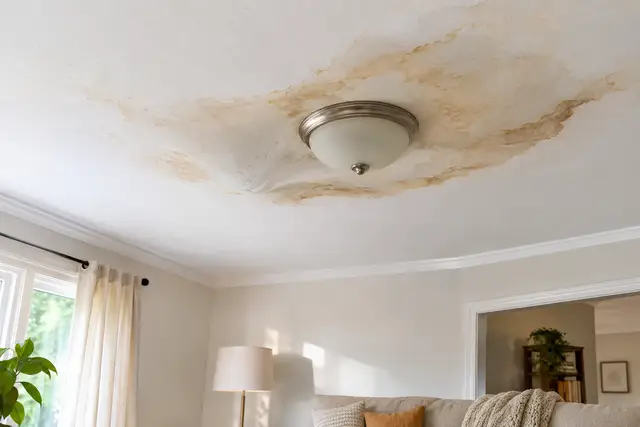
- A ceiling that drips, bulges or sags
- No water at any tap during a hard freeze
- A tank that keeps dripping onto the floor
- Every drain in the house backing up together
Book a visit soon
- A faucet that drips but stays under control
- A toilet that refills on its own or wobbles a little
- One drain that has turned slow over a few weeks
- Water that takes longer than usual to get hot
- Scale building up around fixtures and showerheads
Why one repair often leads to another
Plumbing in a house works as one connected system. A clog in the main drain can make a toilet gurgle when the washer empties, and high water pressure can wear out faucet cartridges and toilet fill valves at the same time.
A good plumber looks beyond the part that failed and tells you when one problem is likely to cause another. That way you can fix the cause, not just the symptom.
- High pressure wears out valves, hoses and fixture seals faster.
- Mineral scale slows flow and shortens the life of water heater parts.
- A slow leak under a sink can soften the cabinet floor and the subfloor below.
- A frozen pipe that thawed once may freeze again in the same spot.
How a repair visit unfolds
Every visit follows the same plain order, whatever the repair turns out to be.
Look and listen
The plumber checks the problem you described and asks a few questions about when it started.
Find the cause
Pressure, valves, seals and pipes are checked until the real fault is clear.
Explain the choices
You learn which part gave out, how it gets fixed and whether other parts look tired.
Repair and test
After you approve it, the plumber makes the repair and runs the water to confirm it holds.
Small signs that a problem is growing
Many plumbing repairs start as something easy to ignore. These signs are worth a closer look before they turn into a bigger job.
A meter that keeps turning
With every tap closed the meter should sit still. Movement means water is going somewhere.
New noises in the walls
Banging, hissing or a constant trickle can point to pressure trouble or a hidden leak.
Stains and soft spots
Brown rings on a ceiling or a soft spot by the tub mean water has found a path.
Rusty or cloudy water
Discolored water can come from a corroded pipe section or the inside of an old water heater.
Plumbing repair by part of the house
Some homeowners think in rooms rather than problems. This table points from each part of the house to the repairs that usually start there.
Questions about plumbing repair in Twin Falls
- How do I know which repair page fits my problem?
Start with the symptom you notice most. If water is spraying, read burst pipe repair. If a ceiling is stained, read leak detection.
When in doubt, the repair finder at the top of every page lets you search by a word like drip, frozen or rumble.
- Can one plumber handle several problems in one visit?
Yes. If you list every problem on the call, the plumber can check them together in one visit and tell you which matters most and which can safely wait.
- What if the plumber finds a bigger problem than I expected?
You hear about it before anything is done. The plumber explains what was found, what fixing it involves and what can safely wait.
You decide what happens next, and nothing is done without your agreement.
- Do you work on older homes with galvanized pipes?
Yes. Galvanized steel, copper and plastic lines all show up in houses around town, and each fails in its own way. The plumber checks which you have before recommending a repair, since the right fix depends on the material.
- Is it worth fixing a small drip right away?
Usually it is. A small drip wastes water every hour of the day, and the worn part behind it rarely gets better on its own. Fixing it early is often the simplest repair and stops the problem spreading to nearby parts.
- Can you help with a problem this page does not mention?
Call and describe it anyway. Many plumbing problems overlap, and the plumber can tell you on the phone whether it is something we can help with.
- Which repair do people in Twin Falls call about most in winter?
Frozen and burst pipes lead the list once the hard freezes arrive, followed by water heaters that struggle to keep up with colder incoming water. Our frozen pipe repair page covers the first group.
- Can a plumber check the whole house while there for one repair?
Yes. Ask for a quick look at the main valve, the water heater and any slow drains during the visit. It is an easy way to catch small problems before they grow.
Not sure which repair you need?
Tell us the symptoms, and a licensed plumber from Twin Falls can come out and find the cause.
One conversation
Explain the problem in your own words, with no form to fill in.
A real diagnosis
The plumber finds the cause before suggesting a repair.
Your choice
You decide whether the work goes ahead.