Burst Pipe Repair in Twin Falls, ID
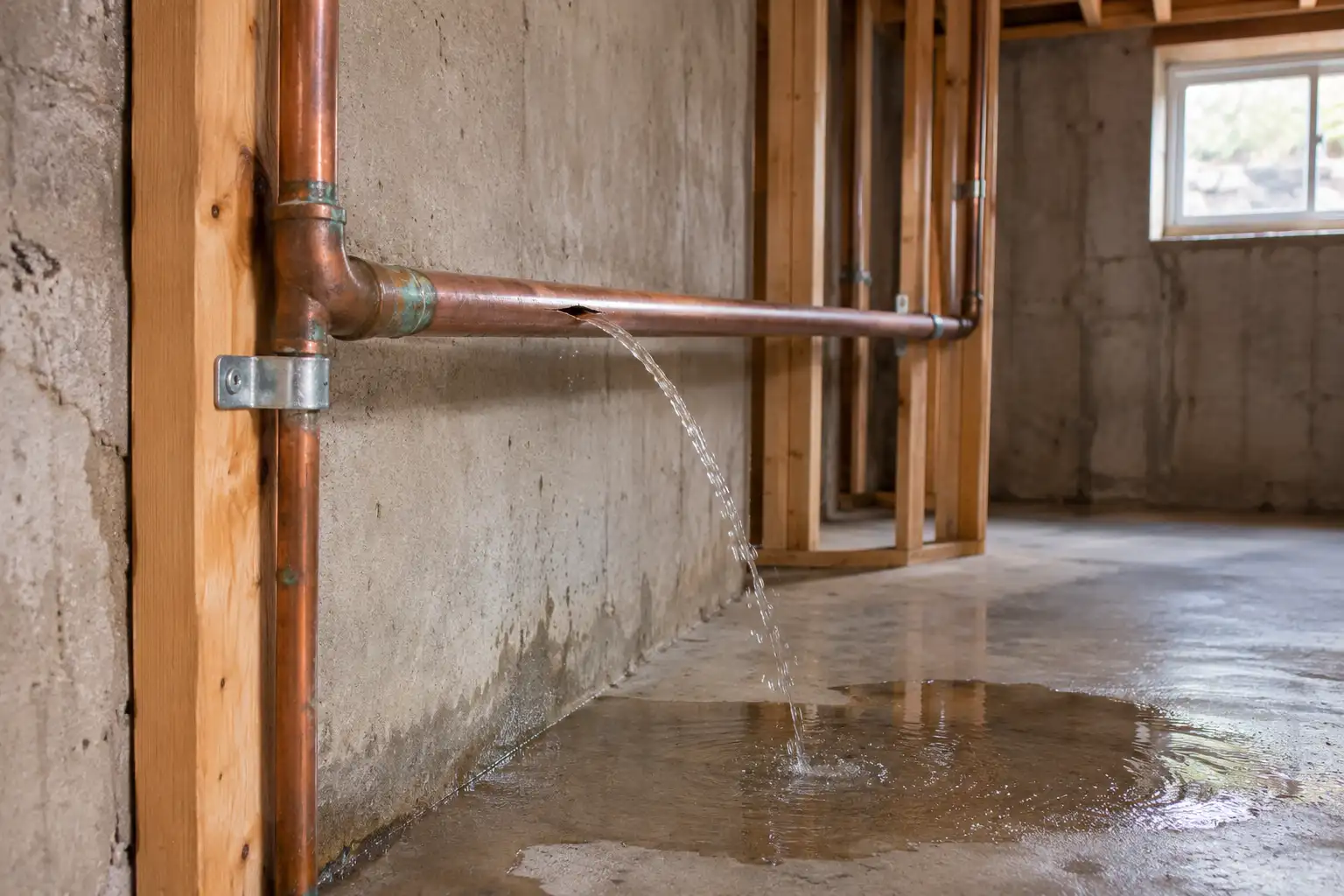
When a pipe splits and water sprays or pools, close the main valve and call us so a plumber can repair it before the damage spreads.
Stop the water first, then call about burst pipe repair
A burst pipe can dump gallons of water every minute, so speed matters. Before you call for burst pipe repair in Twin Falls, take these three steps.
- Close the main shutoff valve. Turn the handle clockwise until it stops, or a quarter turn if it is a lever.
- Cut power to wet rooms. Switch those circuits off at the breaker panel before you step near standing water.
- Open a low faucet. Running a basement tap drains the water still sitting in the pipes and lowers the pressure on the split.
Then call us. A licensed plumber can come out, find the damaged section and make a lasting repair.
Where pipes usually burst in a house
Most calls for burst pipe repair in Twin Falls start in the same few places. Pipes rarely split in the middle of a warm room. They give way where cold, pressure or wear concentrate.
- Outside walls
- Supply lines that run through exterior walls lose heat fast on windy nights, especially behind kitchen sinks.
- Crawl spaces
- Gaps in the foundation vents let freezing air reach pipes that hang below the floor.
- Garages and unheated rooms
- Lines feeding a laundry sink or an outdoor faucet often pass through spaces that never get warm.
- Attics and ceilings
- A pipe routed above an insulated ceiling can sit in cold air for weeks without anyone noticing.
- Old fittings and joints
- Corroded elbows and couplings are the weakest points, so they often fail before the straight runs of pipe.
Why pipes split during a Twin Falls winter
Water expands as it freezes. When an ice plug forms inside a pipe, the water between the ice and a closed faucet has nowhere to go, and the pressure builds until the pipe wall cracks.
The crack often stays hidden until the ice melts. That is why so many burst pipes are found on the first warm afternoon after a cold snap, when water suddenly sprays from a wall or ceiling.
Cold is not the only cause. These three lead to a split just as often in older Twin Falls homes.
- Water pressure that runs too high for the plumbing
- Pipes worn thin by corrosion from the inside
- A nail or screw driven through a hidden line during a remodel
Age plays a part too. A pipe that has frozen and thawed several times, or a fitting that has corroded for years, has less strength left each winter. The split that finally appears is often the last step in a long, quiet decline.
If a pipe in your house froze last winter, have it checked before the next cold snap. A line that has frozen before tends to freeze again at the same spot.
Your first ten minutes after a pipe bursts
Our guide to the first hour after a leak covers every step in detail. These five matter most while you wait for burst pipe repair in Twin Falls.
Shut the water off
Use the main valve, or the small valve under a fixture if the split is right behind it.
Make the room safe
Turn off power to any outlet, light or appliance the water can reach.
Drain the lines
Let water run out of a basement or ground floor tap, and flush each toilet once, to empty what is left in the pipes.
Move what you can
Carry rugs, boxes and electronics out of reach of the spray.
Take a few photos
Pictures of the pipe and the wet area help the plumber and your insurance company.
What a burst pipe repair includes
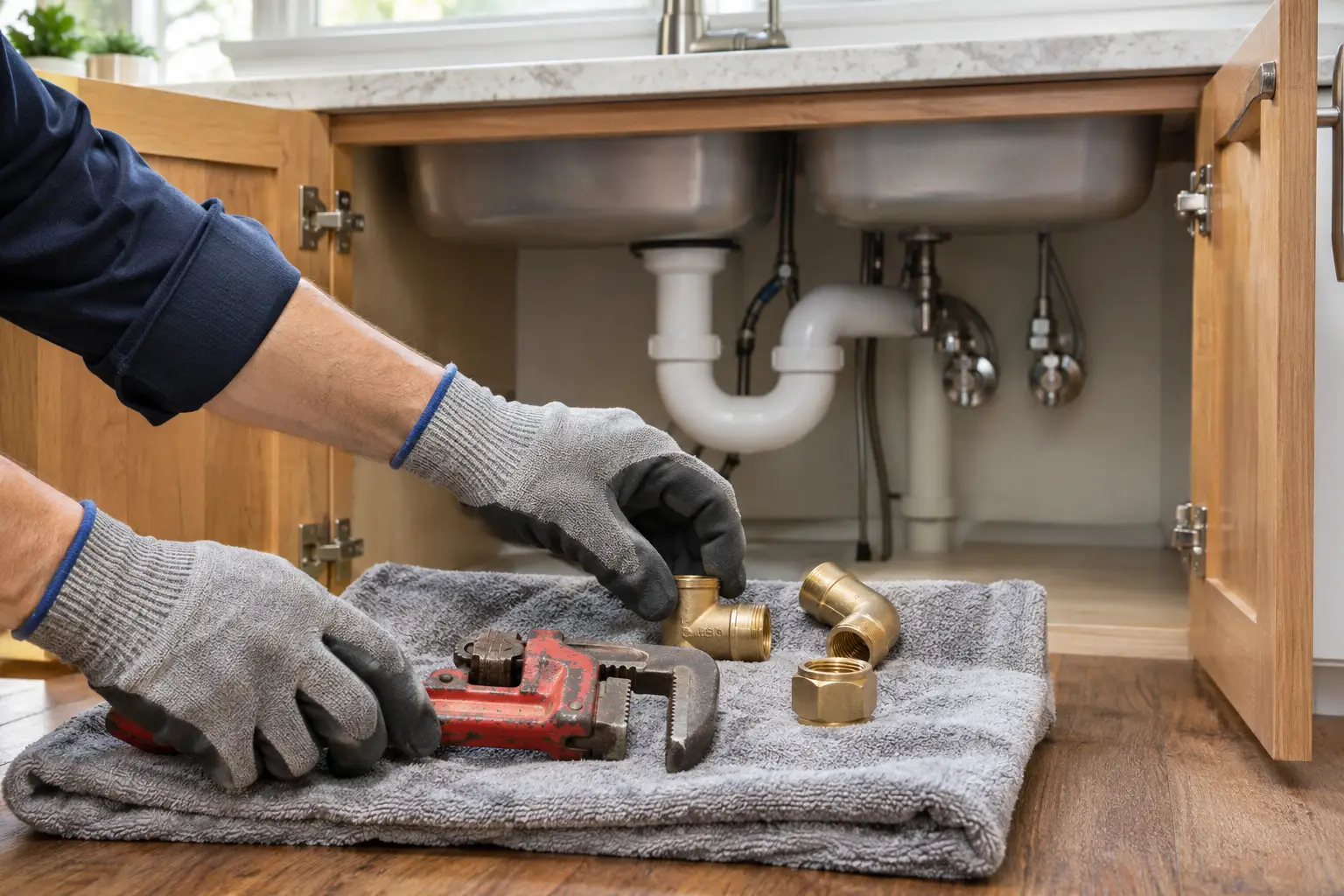
Proper burst pipe repair in Twin Falls fixes the split and checks the pipe around it, so the same line does not fail a few feet away next week.
- Finding the exact split, including cracks hidden inside walls
- Cutting out the damaged section and replacing it with new pipe
- Checking nearby joints and fittings for stress or corrosion
- Restoring water slowly and watching the repair under pressure
- Advice on insulating or rerouting a line that keeps freezing
Burst pipe or slow leak, and how fast to act
A pipe that sprays and a pipe that weeps need different speeds of response. Both deserve a repair, but one cannot wait at all.
Call right away
- Water sprays, pours or runs down a wall
- A sagging ceiling, or drips coming through a ceiling lamp
- You cannot find or close the shutoff valve
- Water is spreading toward electrical outlets or the panel
Call today, it can wait an hour
- A fitting weeps a few drops and the valve is closed
- A damp patch appears on a pipe in an open basement
- The split is on a line you can isolate with its own valve
- Water is contained in a bucket and not spreading
How different pipe materials fail
Most homes have more than one type of pipe. Knowing yours helps you spot trouble early and explains why the plumber may suggest one repair over another.
If your house has a mix of materials, the plumber checks the transitions between them, since those joints are common failure points. Where an older section keeps failing, replacing a longer run of pipe can be more sensible than repairing one split at a time.
Good questions to ask the plumber
A few questions at the end of the visit tell you whether the problem is solved for good. The answers also help you protect the house next winter.
What caused the split?
Freezing, corrosion and high pressure each call for a different fix.
Could it freeze again?
Ask whether the line needs insulation, heat or a new route.
Is my water pressure safe?
Pressure that runs too high strains every pipe and fixture in the house.
Are other pipes at risk?
Old fittings near the break may be close to failing too.
Drying the house after a burst pipe
Once the pipe is repaired, the water it released still needs to go. Mop up standing water, run fans and keep the room warm so wet surfaces can dry.
Water that soaked into drywall, insulation or carpet pad can take days to dry and may need professional drying equipment. If a wall still feels damp after two or three days, it is worth having it checked before mold can start.
Keep an eye on the ceiling below any upstairs leak for a few days afterward. Water trapped above a ceiling can show up later as a fresh stain, even after the pipe itself has been repaired.
- Remove soaked rugs and furniture to a dry room
- Run fans and a dehumidifier around the clock for the first days
- Open cabinet doors and closet doors so air can reach damp spots
- Watch for musty smells, which mean something is still wet
Burst pipe questions from Twin Falls homeowners
- How quickly should a burst pipe be repaired?
As soon as you can. Once the water is off the damage stops spreading, but the house stays without water until the pipe is fixed.
Wet drywall, insulation and flooring also keep absorbing moisture, so the sooner the leak is repaired, the sooner the drying can start.
- Is a home patch enough for a burst pipe?
A clamp or repair tape can hold back a small leak for a short while, but it will not last.
The plumber cuts away the split section and fits new pipe, then checks the pipe on either side for cracks the freeze may also have caused.
- Why did my pipe burst when it was not even that cold outside?
A pipe often splits during a freeze but only starts leaking once the ice thaws, which can be days later on a mild afternoon.
High water pressure and corrosion can also cause a split in perfectly mild weather.
- How do I find the main water shutoff?
Check where the supply pipe comes into the house, usually in a basement, a crawl space, a utility room or near the water heater. Our first hour guide shows the common spots, along with the curb valve near the meter.
- Is a burst pipe usually an insurance claim?
Often it is. Policies tend to include sudden water damage but not slow leaks or damage caused by neglect.
Call your insurance company once the water is stopped, and keep photos of the pipe, the wet areas and any parts the plumber removes.
- Does one burst pipe mean replacing the whole system?
In most homes it does not. One split rarely means the whole system is failing.
The plumber checks the pipes near the break and tells you whether any other sections are worn, corroded or likely to freeze again.
- How can I stop a pipe from bursting again?
Insulate pipes in cold spaces, keep the heat steady, seal drafts near plumbing and leave a tap trickling on the coldest nights.
A line that freezes every winter may need to be moved to a warmer route, and our frozen pipe repair page explains the options.
- Is the water safe to drink after a pipe repair?
Run cold water for a minute or two after the supply is restored to flush air and any loose debris out of the line. If the water stays cloudy or discolored after that, mention it to the plumber.
- Will mold follow a burst pipe?
Yes, if wet materials are still damp after a day or two. Fast drying with fans and a dehumidifier, plus pulling up soaked carpet pad, is the best way to prevent it.
- What if the burst pipe is inside a wall?
Close the main valve and look for the wettest spot on the wall or the ceiling below. The plumber opens only as much of the wall as needed to reach the split, replaces the damaged section and checks the joints nearby.
- Can I use the water in the rest of the house after a pipe bursts?
If the split is on a branch line with its own valve, closing that valve may let you use the rest of the house. If you had to close the main valve, the whole house stays off until the repair is made.
- Why does the pipe keep splitting in the same spot?
A section that splits repeatedly is usually in a cold spot, near a corroded fitting or under too much pressure. The lasting fix addresses the cause, such as rerouting, insulating or reducing pressure, rather than only replacing the pipe again.
- Should I call the plumber or my insurer first?
Stop the water and call a plumber first, since the repair limits the damage. Contact your insurer after the leak is stopped, with photos of the pipe and the wet areas ready.
- What should I do if the split pipe is above a ceiling?
Switch off the power to the room below, close the main valve and place buckets under the wettest spot.
If the ceiling bulges, a small hole at the lowest point lets the trapped water drain into a bucket before the drywall gives way. Our leak detection page explains how the plumber finds the exact source.
- Can a burst pipe affect the water heater?
Yes. If the main stays closed for hours, switch the water heater off or to pilot so it does not heat an empty or partly drained tank. Turn it back on only once the water is restored and the tank is full.
More help with frozen and burst pipes
Pipe split? Call us now.
Close the main valve, then call. A licensed Twin Falls plumber can come out and repair the damaged section.
Find the split
Including cracks hidden behind walls and ceilings.
Fix it properly
The damaged section is replaced, not patched over.
Test the repair
Water comes back slowly while the plumber watches the joint.