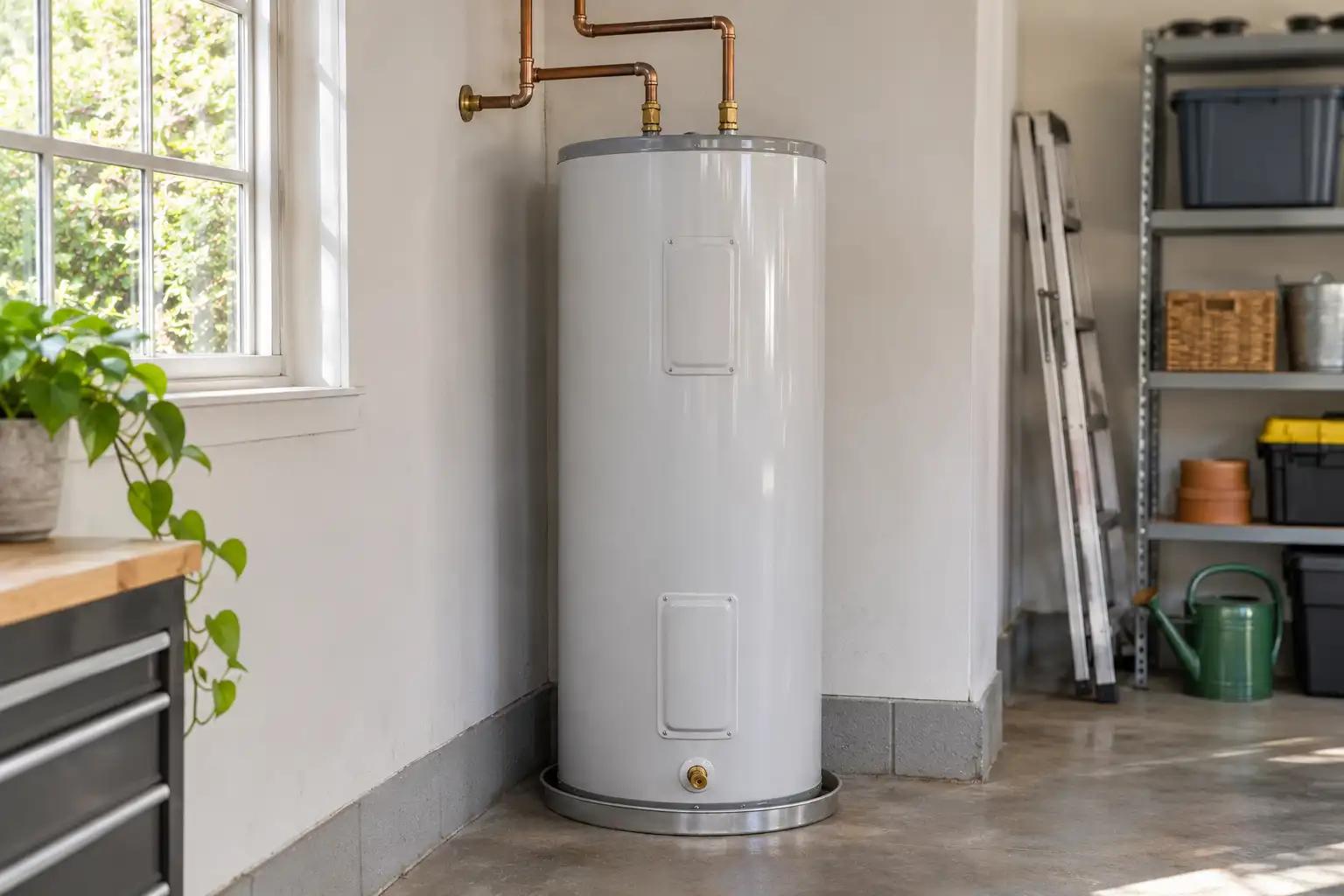
Water Heater Repair in Twin Falls, ID
If the shower runs lukewarm, the tank rumbles or water collects at the base, call us and a plumber can find the failed part.
What the symptom says about the water heater
Water heater repair in Twin Falls usually starts with one of these complaints. Each points to a different part of the tank.
- Every tap runs cold
- On a gas heater, the pilot or burner may have gone out. On an electric model, look for a tripped breaker or a burned out element.
- Hot water runs out fast
- Sediment may be filling the bottom of the tank, or one of the two elements in an electric heater has stopped working.
- Rumbling or popping
- Mineral sediment on the bottom traps water that boils in small bursts as the burner heats it.
- Rusty or smelly water
- The anode rod inside the tank may be worn out, letting the tank itself start to corrode.
- Water around the base
- A leaking valve or fitting is often repairable. A leak from the tank body usually means the tank has failed.
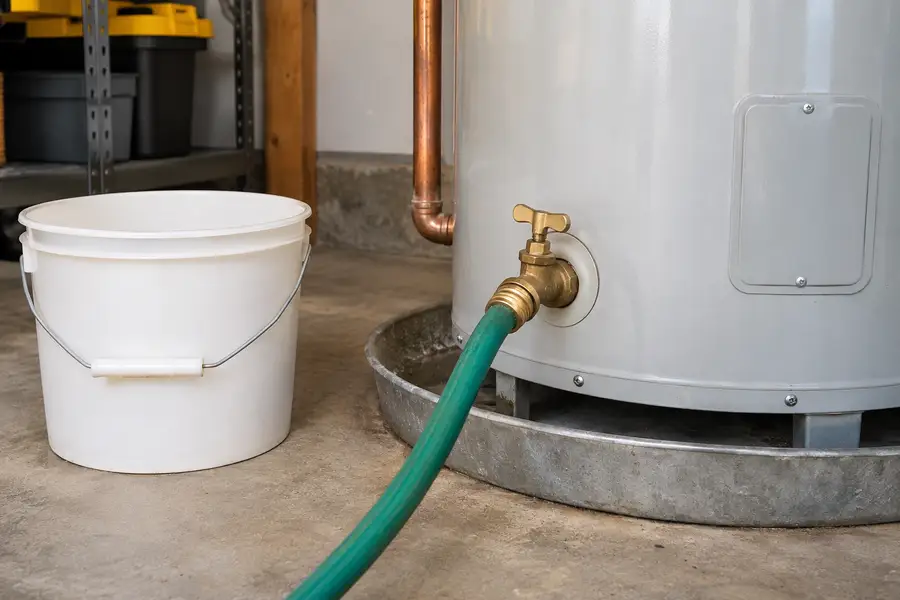
Make the heater safe while you wait
If the tank is leaking, these steps protect the house until a plumber arrives.
Turn off the power or gas
For an electric tank, flip its breaker off. Set a gas heater to the pilot or off position.
Shut off the cold inlet
Turning the valve on the incoming cold pipe keeps the tank from refilling.
Catch the water
Set a pan or towels under the leak and move anything stored nearby.
Water heater repair that brings the hot water back
Most water heater repair in Twin Falls comes down to one replaceable part. The plumber tests the heater step by step until the faulty piece is clear, then explains the repair before starting.
- Thermocouples and pilot assemblies on gas heaters
- Heating elements and thermostats on electric heaters
- Temperature and pressure relief valves that leak or stick
- Drain valves that drip at the bottom of the tank
- Anode rods that protect the tank from corrosion
- Supply connections and fittings on top of the tank
Sediment, the quiet cause of most heater trouble
Over the years, minerals drop out of the water and pile up on the tank floor. The layer insulates the water from the burner, wastes energy and makes the heater work harder and louder.
Flushing the tank once a year removes much of that sediment. Our guide to a water heater making noise explains what each sound means.
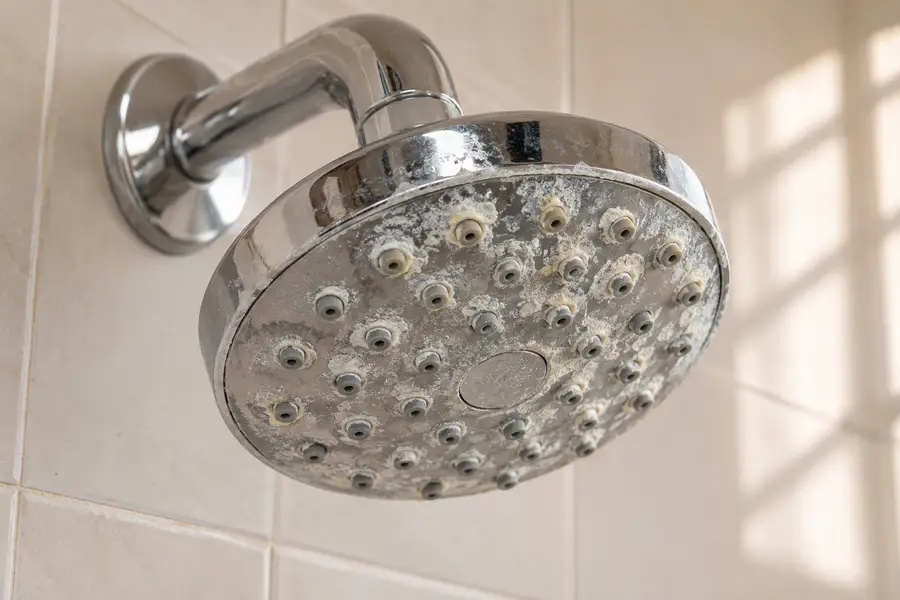
When a repair makes sense and when to replace
The plumber tells you plainly which way the evidence points.
Usually time to replace
- A leak coming from the steel shell of the tank
- Rust inside the tank showing in the hot water
- A tank near the end of its expected life with repeated failures
- A heater too small for the household now
Usually worth repairing
- A failed thermocouple, element or thermostat
- A leaking drain or relief valve
- Sediment that a flush can remove
- A loose fitting on the supply lines
Keeping a water heater healthy
Flush once a year
Draining a few gallons removes sediment from the bottom of the tank.
Test the relief valve
Lifting the lever briefly once a year confirms it still opens.
Insulate the pipes
Foam sleeves on the first few feet of pipe reduce heat loss.
Check the base
A quick look for moisture or rust catches leaks early.
How gas tanks and electric tanks break down
A gas water heater needs a pilot or an igniter, a burner under the tank and a thermocouple that tells the gas valve the flame is lit. When hot water stops, one of those parts is usually the reason.
An electric water heater has two heating elements, an upper and a lower, each with its own thermostat. When one element fails, the tank still heats but runs out quickly, which is the most common electric complaint.
Both types share the same tank, the same anode rod and the same relief valve, so sediment, corrosion and valve leaks affect them equally.
Water heater questions
- Why is my water heater not making hot water?
On a gas heater, check whether the pilot light is lit and follow the relighting steps on the label. On an electric heater, check the breaker, and if it has tripped, reset it one time only.
If neither brings the hot water back, a thermocouple, element or thermostat has likely failed and needs a plumber.
- Should a leaking water heater worry me?
A small leak from a valve is usually not dangerous on its own, but water reaching the burner or the wiring should be stopped quickly.
Shut down the gas or flip the breaker, turn off the inlet valve on the cold line, and call. A leak from the tank body usually means the tank has failed.
- How long do tank water heaters usually last?
Most tank heaters give eight to twelve years of service. Hard water, heavy use and skipped maintenance all shorten that span. Regular flushing and a fresh anode rod help a tank last longer.
- What makes hot water smell of rotten eggs?
The odor appears when bacteria in the water meet the metal of the anode rod. Replacing the anode rod with a different type and flushing the tank usually solves it. Cold water that smells the same points to the water supply instead.
- Can I flush my water heater myself?
Many homeowners can. Turn off the power or gas, attach a hose to the drain valve and let water out until it comes through clear.
Our noisy water heater guide walks through each step, including refilling the tank before the heat goes back on.
- What does the relief valve do?
The temperature and pressure relief valve lets water out when heat or pressure inside the tank rises past a safe point. It is an important safety part. It should never be capped or blocked, and a valve that drips needs to be checked.
- Why does the water get hot slowly in one bathroom?
Hot water has to push out the cooled water sitting in the pipe first. A bathroom far from the heater simply takes longer. If the wait has grown recently, sediment or a failing element may be reducing the supply.
- Is it worth switching the water heater off before a trip?
Many heaters have a vacation setting that keeps the tank warm while using less energy. For a long absence, turning it down is reasonable. Relight or reset it as the label describes when you return.
- Why is there water in the pan under my water heater?
A little water can come from condensation or a dripping relief valve. More water, or water that keeps returning, usually means a leaking fitting or a failing tank and should be checked.
- Can a water heater be repaired the same day it fails?
Many common parts, such as thermocouples, elements and valves, can be replaced during the visit if the plumber has them. Larger repairs and replacements take longer, and the plumber explains the plan before starting.
Other hot water and fixture repairs
Cold shower again? Call us.
A licensed Twin Falls plumber can test the heater and find the part that failed.
Test it
Gas or electric, each part is checked.
Explain it
Repair or replace, with the reasons.
Fix it
Hot water restored and the tank checked.