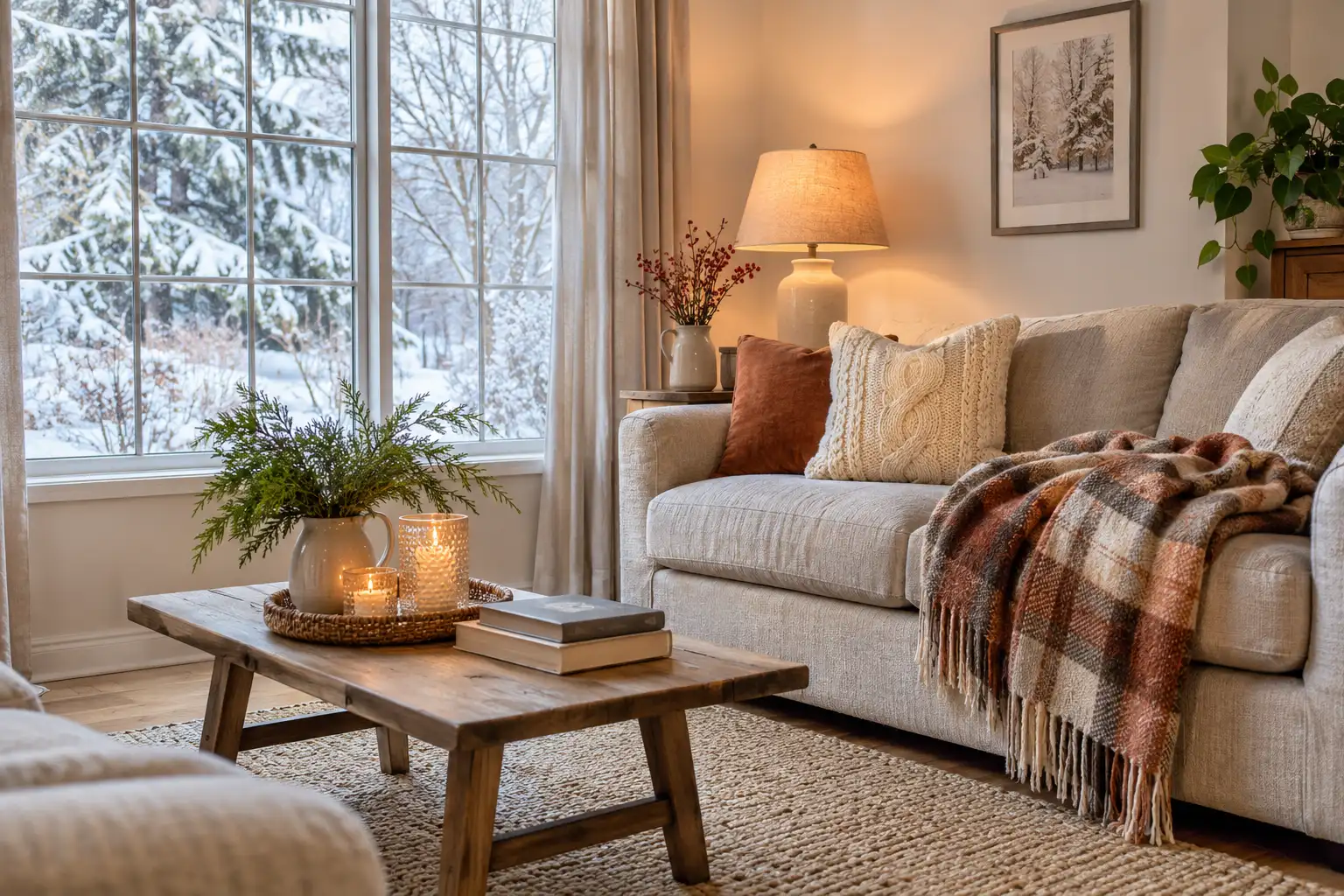
Plumbing Guides for Twin Falls Homes
Practical plumbing advice for Twin Falls homes, written for the moment something goes wrong and for the jobs you can handle yourself.
Plumbing guides for the moments before a plumber arrives
These plumbing guides for Twin Falls homes are mostly about timing. The first few minutes after a leak, and the half hour you spend preparing for winter, decide how much damage a problem can do.
- One situation eachEvery guide follows a single problem from start to finish.
- Plain steps in orderOnly things you can safely do yourself.
- A clear stopping pointEach guide says when it is time to call us.
Every guide in one place
Start with the guide that matches what is happening now.
-
-
-
-
-
Which guide fits your situation
When a guide is not enough
These guides cover what a homeowner can safely check and do. Some problems need a licensed plumber, and the guides say so plainly when that point arrives.
If water is spreading, a pipe has split or you smell gas, skip the reading and act. Close the water, make the room safe and call. The burst pipe repair and leak detection pages explain what happens next.
Three habits that prevent most calls
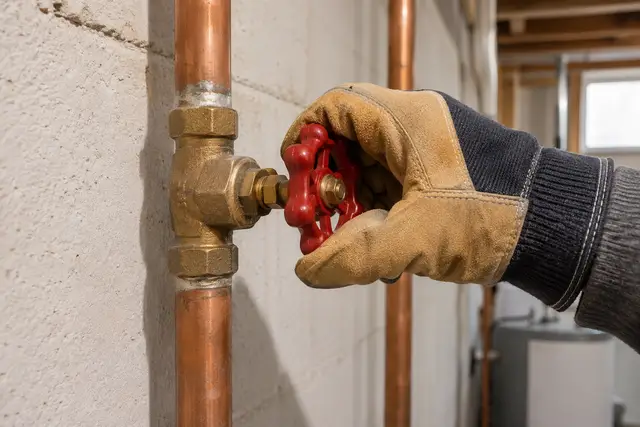
Know your main valve
Find it now, label it and make sure it turns.
Prepare in the fall
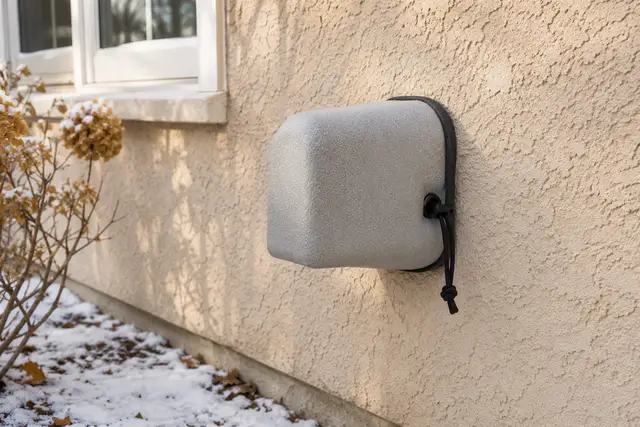
Drain outdoor faucets and insulate cold pipes before the first freeze.
Watch for small signs
A drip, a stain or a running toilet is simpler to fix early.
Get the house ready before you need help
Ten minutes of preparation makes every guide on this page easier to follow when something goes wrong.
Find the main valve
Walk to it, check that it turns and tell everyone in the house where it is.
Find the fixture valves
Look under sinks, behind toilets and above the water heater.
Check the breaker labels
Make sure you know which switch controls the water heater and each wet room.
Keep a few supplies
Towels, a bucket, a flashlight and a plunger cover most first steps.
A plumbing calendar for the year
A few jobs at the right time of year prevent most of the problems these guides cover.
- Fall
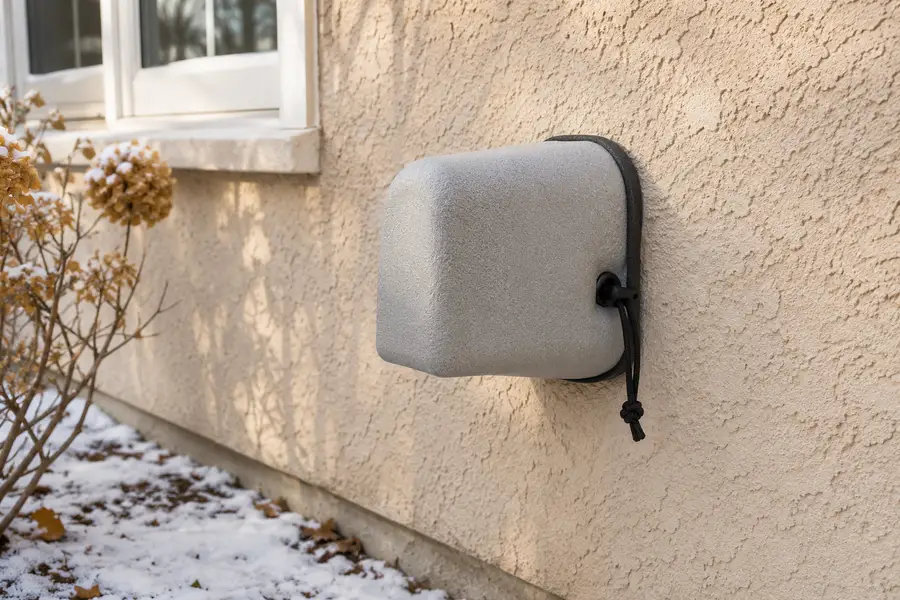
- Drain and cover outdoor faucets, shut off sprinkler lines and insulate pipes in the garage and crawl space.
- Winter
- Keep the heat steady, open sink cabinets on the coldest nights and let a faucet drip when a hard freeze is forecast.
- Spring
- Turn outdoor faucets back on slowly, watch the inside wall for drips and check the yard for soggy patches.
- Summer
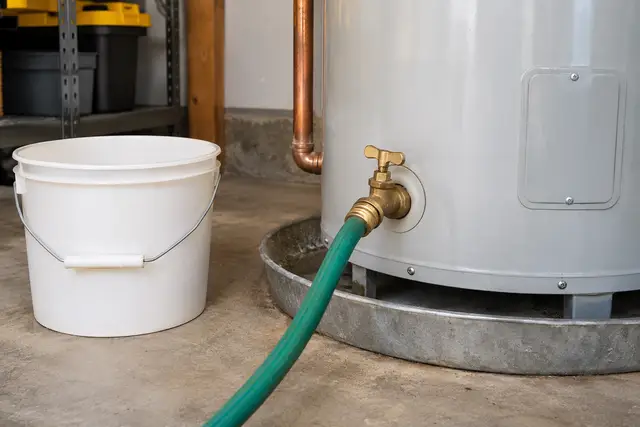
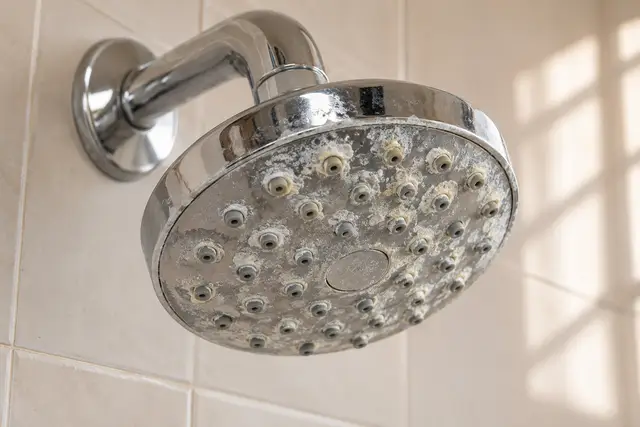
- Flush the water heater, clean aerators and shower heads, and test the main valve so it turns freely.
Our guide to winterizing outdoor faucets covers the fall job in detail, and the noisy water heater guide explains the yearly flush.
How these guides are written
Each guide starts with the situation a homeowner is actually facing, not with plumbing theory. The steps run in the order that matters, and each one says why it helps.
Where a step needs care, such as anything near the water heater, the gas supply or electricity, the guide says so plainly. Where a job is better left to a licensed plumber, the guide says that too.
The guides also link to the repair pages, so when a problem turns out to be bigger than a quick fix, you can read exactly what a plumber will look at and why.
Questions about these plumbing guides
- Are these guides a replacement for a plumber?
No. They cover what you can safely check and do yourself, and each one says when it is time to call a licensed plumber.
- Which guide should I read first?
If water is leaking, start with what to do when water is leaking. Otherwise, the winter faucet guide is the best one to read before the cold arrives.
- Will these steps work in any Twin Falls house?
These Twin Falls plumbing guides work for most homes. Older houses may have different valves or pipe materials, and a plumber can point out anything unusual in yours.
- What if my problem is not covered here?
Use the repair finder at the top of the page, or browse every repair on the plumbing repairs page.
- Can I call to ask a question before booking a visit?
Yes. Describe what is going on and we can tell you whether it sounds like something to watch or something to fix now.
- How often should I check my plumbing?
A quick look each season is enough for most homes. Check under sinks, around toilets and near the water heater for moisture, and test the main valve once a year.
- Where can I learn about a specific repair?
Every repair has its own page with the signs, the causes and what a plumber does. The plumbing repairs page lists all of them in one place.
- Are the guides suitable for renters?
The safety steps apply to everyone, such as closing the water and cutting power to wet rooms. Renters should then call their landlord or property manager, who arranges any repair.
- Which guide helps most before winter?
The guide to winterizing outdoor faucets. Outdoor faucets are the pipes most likely to freeze, and preparing them takes only a few minutes each fall.
Pair it with a quick look at pipes in the garage and crawl space, and the house is ready for the cold.
- What if I follow a guide and the problem is still there?
Stop and call us. The guides cover the safe first steps, and if those do not fix it, the cause usually needs a plumber to find. Describe what you tried, since it helps the plumber narrow things down.